Project
Mosaic C2 System
The complete software platform for space superiority.
Details
About
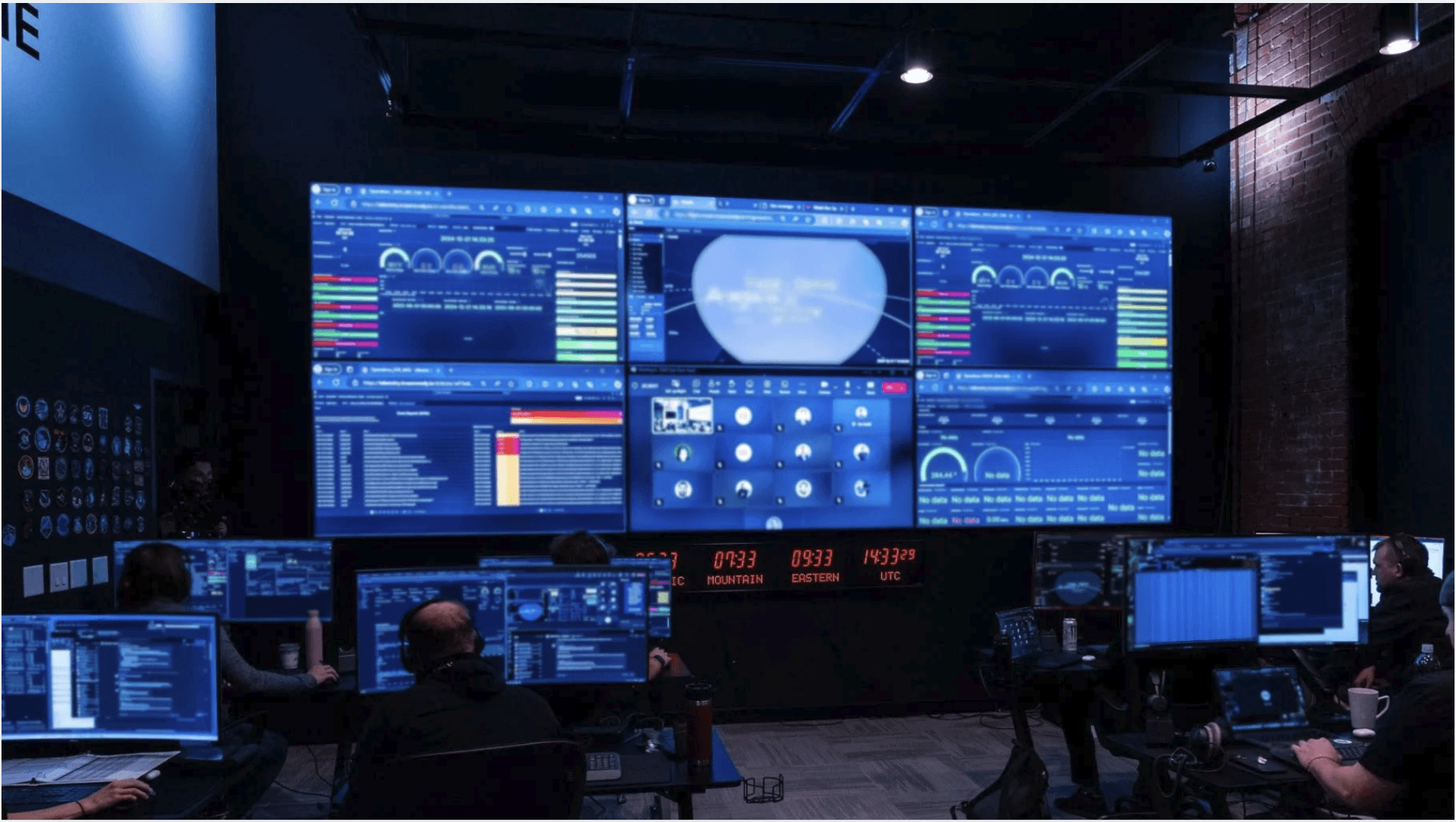
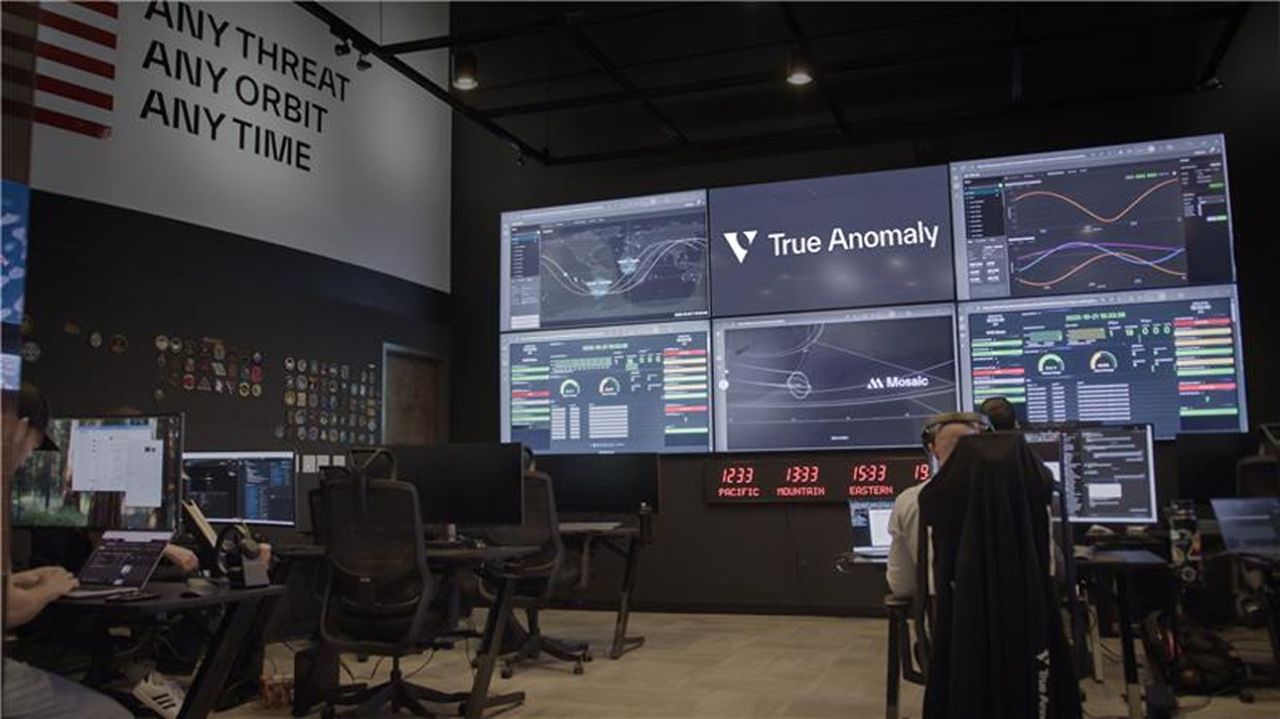
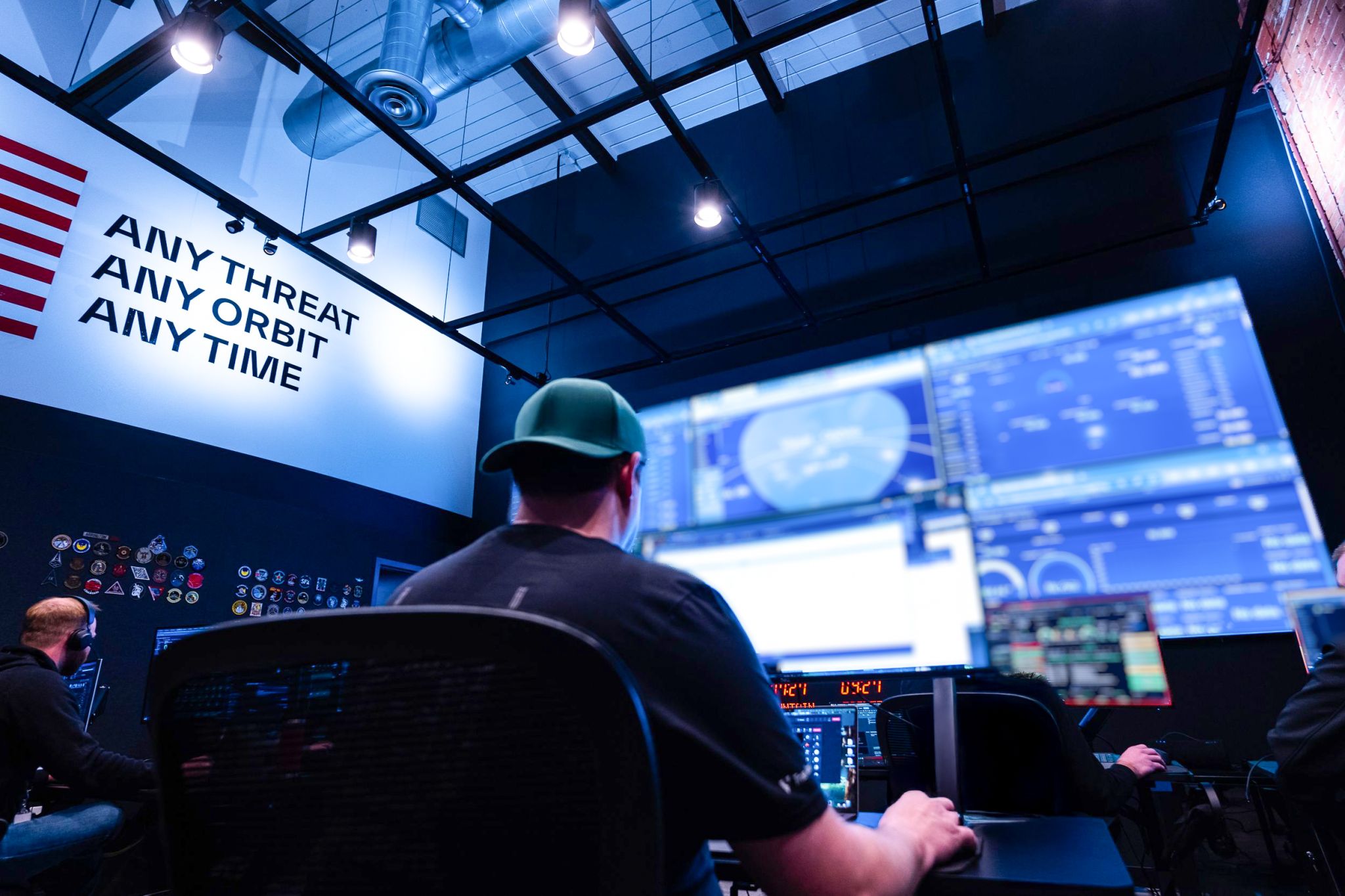
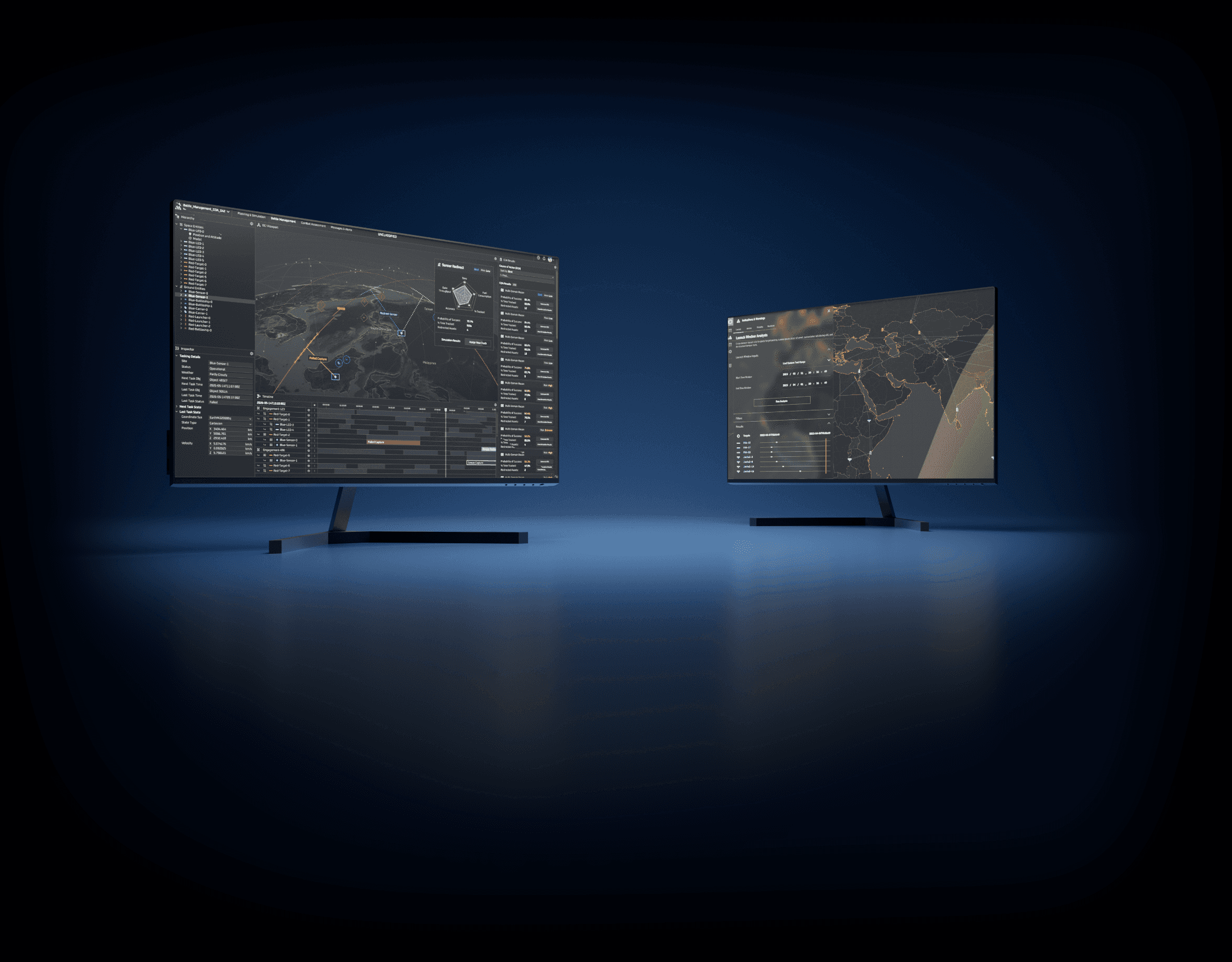
Mosaic is a ground software system supporting on-orbit Command & Control (C2). The platform supports mission planning, execution, and operational workflows for space systems.
Impact
Learn how my work enabled mission success in the upcoming mission lineup.
Mosaic was delivered as a mission-critical ground software platform supporting C2 operations, establishing a scalable foundation for ongoing capability growth.
Company
True Anomaly
Timeframe
August 2025 - February 2026
Tools
Figma, Project Management Tools
Problem
Space defense operations demand software that translates complex mission objectives into reliable, usable tools. Oftentimes, the experience proves fragmented, inconsistent, and high cognitive load. Mosaic needed to support high-stakes C2 workflows while meeting usability, mission and engineering constraints.
Questions
How might we translate complex product and mission requirements into clear, functional interfaces?
How might we support C2 and other related workflows while reducing operator friction?
How might we design a ground software system that supports complex C2 workflows without overwhelming operators?
How might mission needs, product requirements, and engineering realities be aligned in a single interface?
How might accessibility and UX best practices be embedded from the start?
My Contributions
Lead the end-to-end design lifecycle for Mosaic, owning planning, execution, and delivery
Translate mission and product requirements into functional design specifications aligned with engineering capabilities.
Collaborate cross-functionally to resolve complex technical challenges through high-performance interface solutions.
Embed UX research, iterative testing, and accessibility compliance into the product lifecycle.
Drive continuous iteration and contribute to Mosaic’s evolving design system.
Skillset
Product Strategy, UX Research, Interaction Design, Design Systems, Accessibility, Cross-Functional Leadership, Product Development, Product Design
Process
Research
Partner with operators and stakeholders to understand mission workflows
Enhance workflows to reduce unnecessary cognitive burden on operators
Identify and create standardized personas, as part of a larger coordinated UX Research effort for Mosaic
Feature Engineering
Based on mission requirements, create product requirements that satisfy both user needs and engineering constraints
Use iterative prototyping to communicate feasibility and implementation to both operators and engineers
Create workflows for ideal process flows with each iterative build
Design
Design and iterate mockups
Design high-fidelity mockups and prototypes
Design scalable interaction patterns and mission workflows
Develop
Collaborate with engineers to ensure smooth implementation
Launch
Deliver Mosaic as an operational, mission-critical platform
Highlights
Led design for a mission-critical space defense system
Bridged mission, product, and engineering domains
Embedded accessibility practices into defense software
Contributed to a scalable, multi-use case design system
Conclusion
Mosaic is a clean, intuitive mission-critical ground software platform enabling on-orbit Command & Control through scalable interface design that aligns mission intent with execution.
About
Mosaic is a ground software system supporting on-orbit Command & Control (C2). The platform supports mission planning, execution, and operational workflows for space systems.
Impact
Learn how my work enabled mission success in the upcoming mission lineup.
Mosaic was delivered as a mission-critical ground software platform supporting C2 operations, establishing a scalable foundation for ongoing capability growth.
Company
True Anomaly
Timeframe
August 2025 - February 2026
Tools
Figma, Project Management Tools
Problem
Space defense operations demand software that translates complex mission objectives into reliable, usable tools. Oftentimes, the experience proves fragmented, inconsistent, and high cognitive load. Mosaic needed to support high-stakes C2 workflows while meeting usability, mission and engineering constraints.
Questions
How might we translate complex product and mission requirements into clear, functional interfaces?
How might we support C2 and other related workflows while reducing operator friction?
How might we design a ground software system that supports complex C2 workflows without overwhelming operators?
How might mission needs, product requirements, and engineering realities be aligned in a single interface?
How might accessibility and UX best practices be embedded from the start?
My Contributions
Lead the end-to-end design lifecycle for Mosaic, owning planning, execution, and delivery
Translate mission and product requirements into functional design specifications aligned with engineering capabilities.
Collaborate cross-functionally to resolve complex technical challenges through high-performance interface solutions.
Embed UX research, iterative testing, and accessibility compliance into the product lifecycle.
Drive continuous iteration and contribute to Mosaic’s evolving design system.
Skillset
Product Strategy, UX Research, Interaction Design, Design Systems, Accessibility, Cross-Functional Leadership, Product Development, Product Design
Process
Research
Partner with operators and stakeholders to understand mission workflows
Enhance workflows to reduce unnecessary cognitive burden on operators
Identify and create standardized personas, as part of a larger coordinated UX Research effort for Mosaic
Feature Engineering
Based on mission requirements, create product requirements that satisfy both user needs and engineering constraints
Use iterative prototyping to communicate feasibility and implementation to both operators and engineers
Create workflows for ideal process flows with each iterative build
Design
Design and iterate mockups
Design high-fidelity mockups and prototypes
Design scalable interaction patterns and mission workflows
Develop
Collaborate with engineers to ensure smooth implementation
Launch
Deliver Mosaic as an operational, mission-critical platform
Highlights
Led design for a mission-critical space defense system
Bridged mission, product, and engineering domains
Embedded accessibility practices into defense software
Contributed to a scalable, multi-use case design system
Conclusion
Mosaic is a clean, intuitive mission-critical ground software platform enabling on-orbit Command & Control through scalable interface design that aligns mission intent with execution.
Gallery